How to Complete Your 88 Days Farm Work in Australia (2026 Guide)
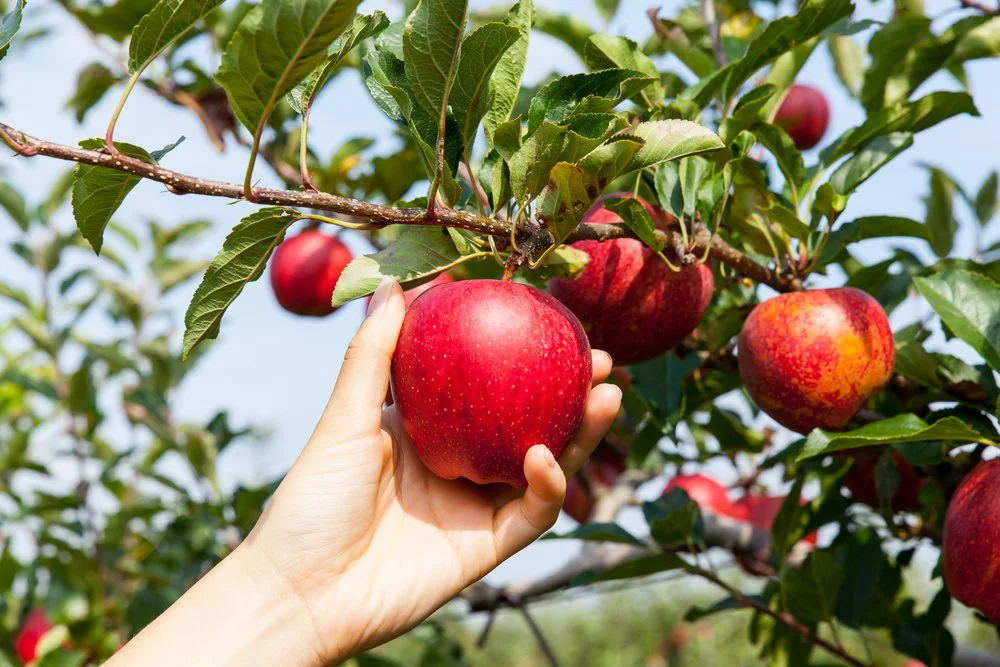
If you're on a Working Holiday Visa in Australia and want to extend your stay, completing your 88 days of regional work is essential.
But between confusing rules, dodgy employers, and misinformation online, it’s easy to feel overwhelmed.
This guide breaks down everything you need to know — clearly and simply — so you can complete your 88 days the right way and secure your second-year visa.
What Is the 88 Day Requirement?
The “88 days” refers to three months (88 calendar days) of specified regional work required to apply for a second Working Holiday Visa.
The official visa types are:
Working Holiday visa (subclass 417)
Work and Holiday visa (subclass 462)
To qualify, the work must:
Be in an eligible industry
Be paid legally under Australian workplace laws
What Jobs Count Toward Your 88 Days?
Not all rural jobs qualify.
The most common eligible industries include:
Agriculture & Farming
Fruit picking
Vegetable harvesting
Packing sheds
Pruning & planting
Dairy farms
Cattle stations
Construction (Regional Only)
Labouring
Building projects
Infrastructure work
Tourism & Hospitality (Northern Australia Only)
Roadhouses
Remote resorts
Tour operations
Important: Always double-check postcode eligibility before accepting a job, or check with the employer whether they have any exceptions..
Where Can You Do Your 88 Days?
Regional areas are defined by the Australian Government and vary by visa type.
Popular states for 88-day work:
Queensland – Fruit picking & cattle stations
Western Australia – Large farms & harvest seasons
Tasmania – Apple & berry picking
Northern Territory/Queensland – Tourism & remote hospitality
South Australia – Vineyards & citrus farms
Tip: Harvest seasons change by state. Timing matters.
How Are the 88 Days Calculated?
This confuses a lot of people.
88 days means:
88 calendar days (not workdays)
You must work full-time hours as defined by the award
If part-time, your total hours must equal the industry full-time equivalent
Example:
If full-time in that industry is 38 hours/week, you must meet that benchmark.
Keep:
Payslips
Employment contracts
Bank transaction records
You’ll need them for your visa application.
How Much Do 88 Day Jobs Pay?
As of 2026:
Casual farm work: approx. $27–$32 per hour
Piece rate (fruit picking): varies by output
Hospitality (northern Australia): award-based
Be cautious of:
Cash-only jobs
“Volunteer” arrangements
Under-award wages
You are entitled to:
Superannuation
Payslips
Legal pay rates
Common 88 Day Mistakes to Avoid
❌ Working in a non-eligible postcode
❌ Not keeping payslips
❌ Accepting unpaid trial shifts
❌ Relying on verbal agreements
❌ Working for employers who refuse written contracts
One mistake can delay your visa by months.
What Happens After You Complete 88 Days?
Once complete, you can apply for:
A second Working Holiday Visa
Potentially a third year (after 6 months additional specified work)
Applications are lodged through the official Australian immigration portal.
Best Way to Find Verified 88 Day Jobs
Finding legitimate regional work can be the hardest part.
Instead of:
Facebook groups full of spam
Gumtree listings
Word-of-mouth only
Use a platform that:
Verifies employers
Clearly labels eligible jobs
Shows accommodation details
Lists pay rates transparently
👉 Browse verified 88-day eligible jobs here: www.app.ruralink.au
Completing your 88 days doesn’t have to be stressful.
Plan ahead.
Work legally.
Keep documentation.
Choose employers carefully.
Done right, it opens the door to another full year in Australia.